Shallow-Water Autonomy. Zero Crane Logistics.

Single-operator autonomous surface craft engineered for coastal hydrography, dynamic estuaries, and restricted waterways. Purpose-built to collect precision data down to 18 cm of water without secondary launch infrastructure.

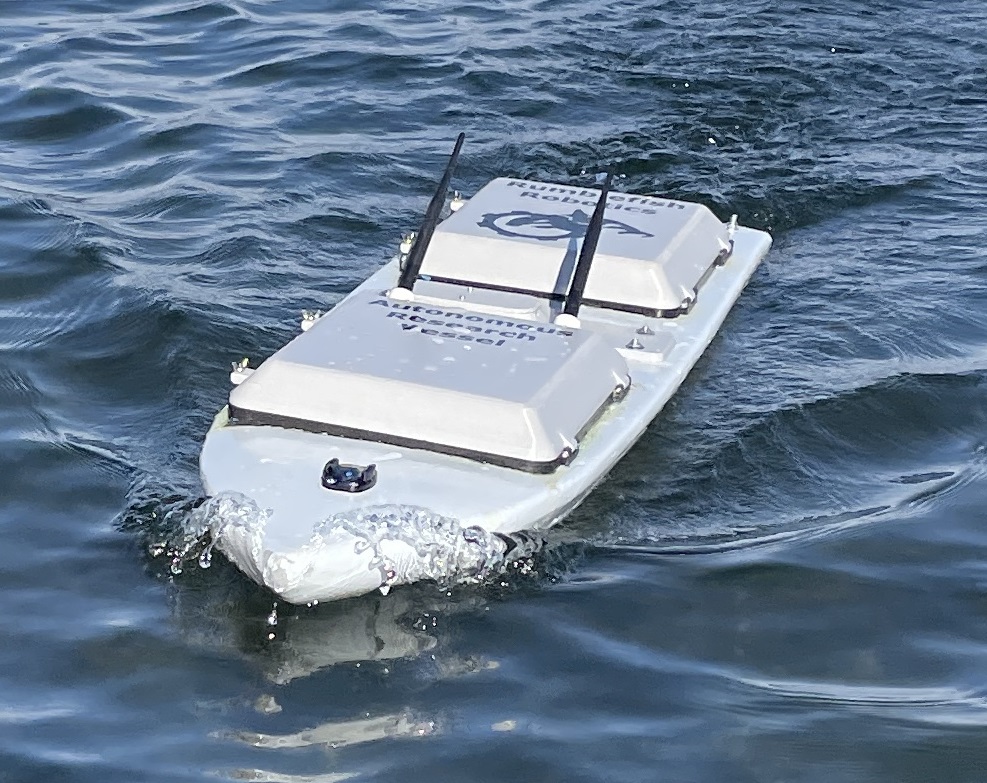
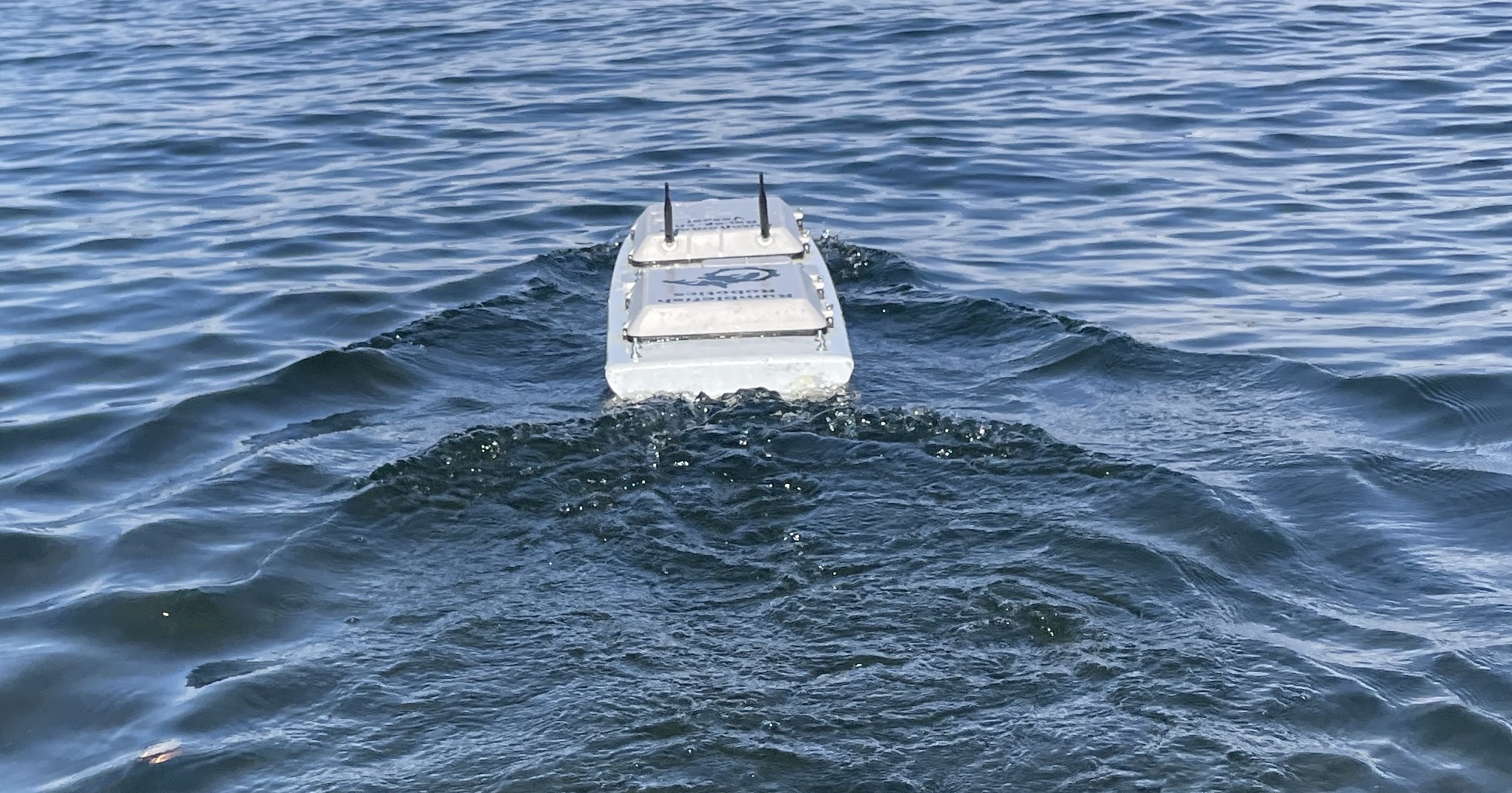
Rumblefish USV returning from mission along coastal waters
11 cm
Static Draft
Accesses extreme shallow-water margins and tidal shoals.
< 2 min
Launch Window
Single-person deployment from shoreline, dock, or vessel.
1.4 m
Transport Footprint
Fits comfortably in standard truck beds, vans, or SUVs.
SS 0 – 3
Operating Envelope
Validated coastal seakeeping in sounds and tidal straits.

Autonomous Marine Platforms

Two distinct hull configurations built around a shared autonomy core and rugged 1.4-meter person-portable footprint.

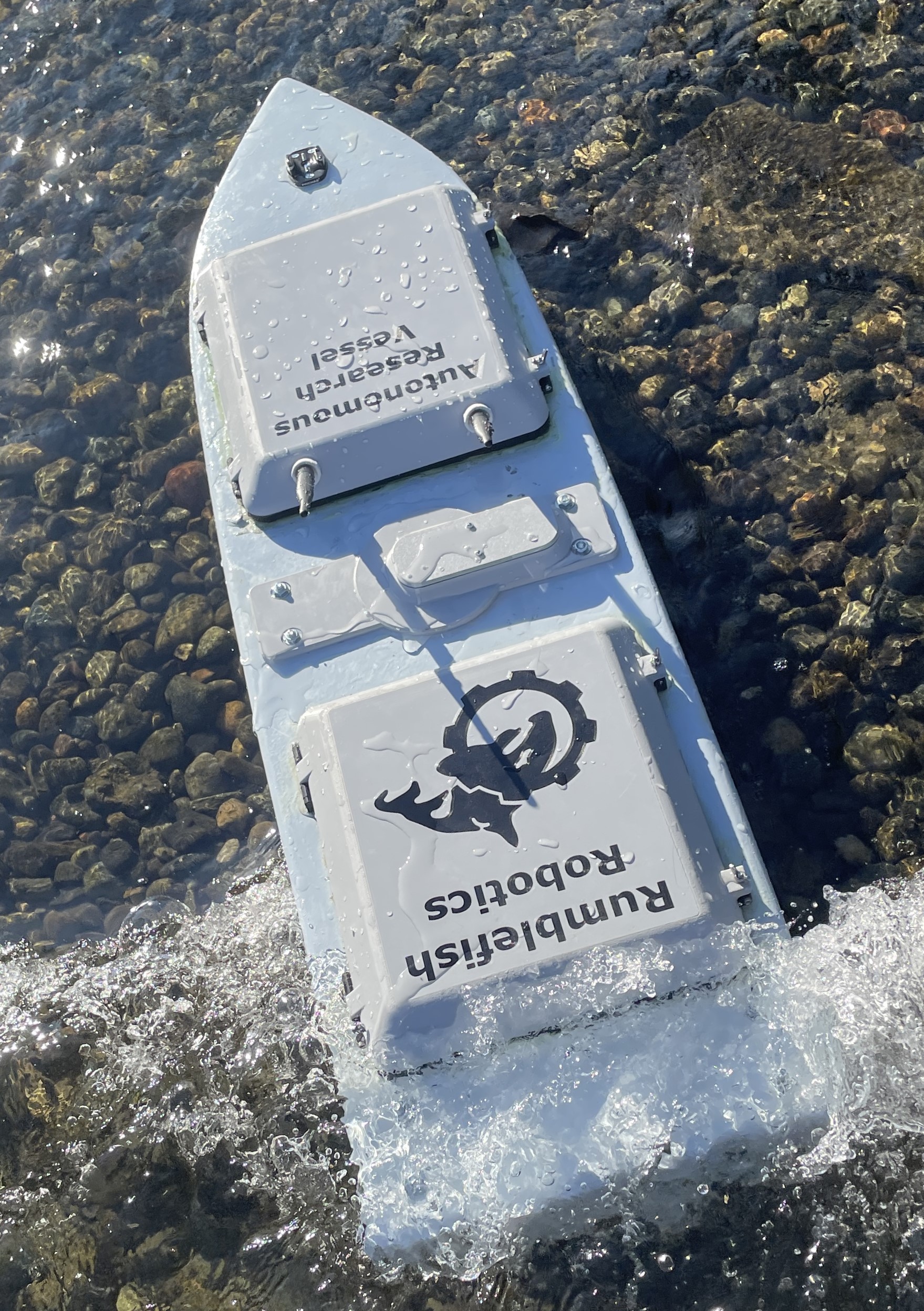
Rumblefish Argo integrated platform
Available Now

Argo: Integrated Platform

Factory-integrated, seamless hull optimized for maximum acoustic quietness, dedicated missions, and the absolute shallowest draft envelope.

  • Static Draft 11 cm (4.3 in)
  • Min Operating Depth 18 cm (7.1 in)
  • Survey Speed 1.0 – 1.2 m/s
  • Deployment 1 Person • < 2 min
  • Architecture Dedicated Factory Build
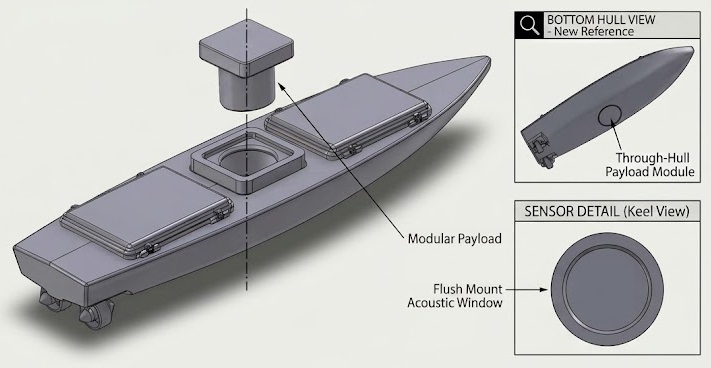
Rumblefish Delia field-reconfigurable modular payload bay diagram
In Development

Delia: Field-Reconfigurable

Expanded displacement hull featuring a quick-latch through-hull payload well and sealed deck bays for multi-role sensor swaps directly in the field.

  • Static Draft 14 cm (5.5 in)
  • Min Operating Depth 20 cm (7.9 in)
  • Survey Speed 1.0 – 1.9 m/s
  • Deployment 1 Person • < 2 min
  • Architecture Modular Through-Hull Bay

Operational Architecture

Engineered from the waterline down to eliminate the operational and transport friction of legacy uncrewed surface vehicles.

Acoustic & Electrical Isolation

Galvanically isolated sensor rails prevent propulsion electrical noise and motor draw spikes from corrupting acoustic transducer signals and multibeam sonar feeds.

Open Hardware Integration

No locked ecosystems. Clean DC power, universal mounting patterns, and standard serial/IP communication ports allow client engineering teams to interface custom sensors efficiently.